📌 Struggling with event engagement? This event app fixed it! 

Download now

📌 Struggling with event engagement? This event app fixed it! 

Download now

Corporate Event Planning: Wedding Strategies That Boost Engagement

Wed, 16 Jul 2025

image-alternative-text
Sara Roy

Planning a corporate event that people actually remember? Look at what wedding planners have been doing for decades.

I'm not saying turn your product launch into a ceremony with vows. But weddings nail something most corporate events miss—they make people feel like they matter.

Here's what actually works when you're planning corporate events, whether it's a business conference, product launch, or team gathering. These corporate event planning strategies come straight from the wedding industry playbook.

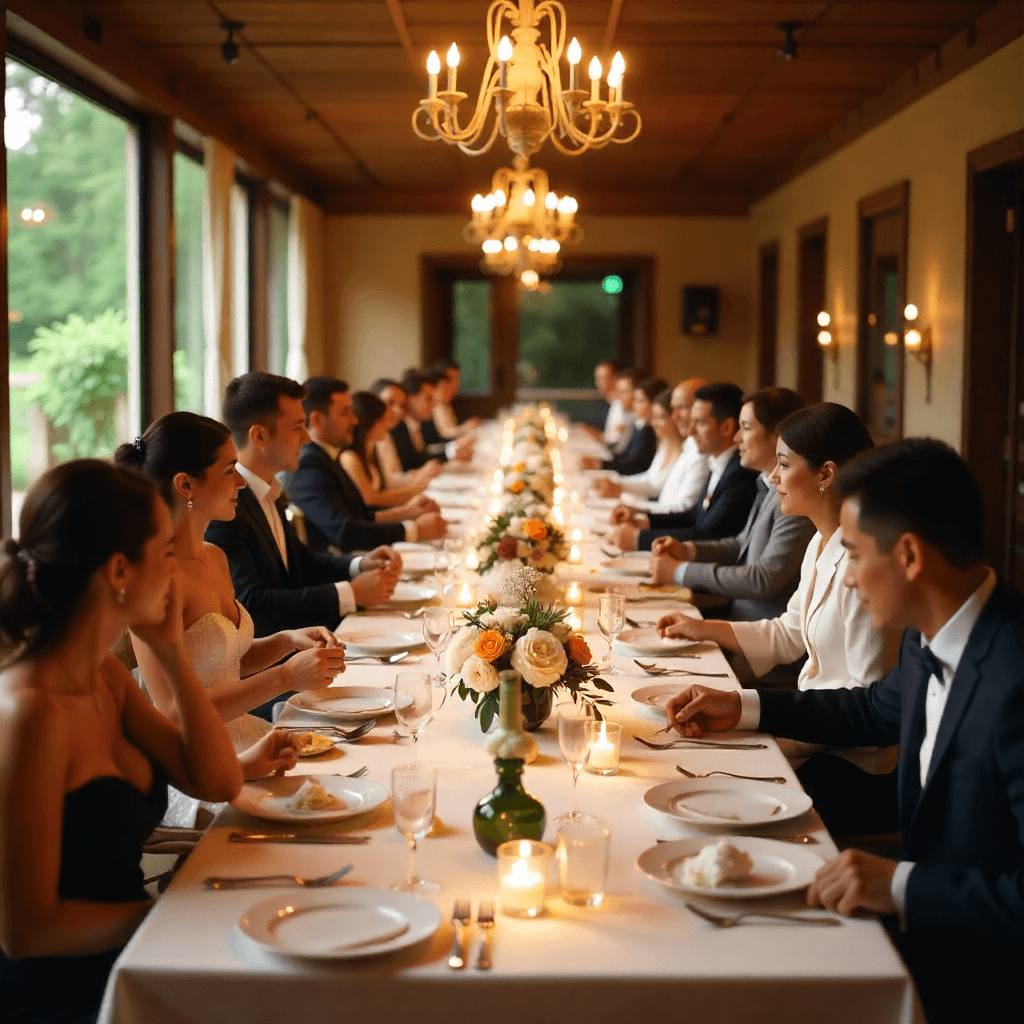
freepik__the-style-is-candid-image-photography-with-natural__39473.pngfreepik__the-style-is-candid-image-photography-with-natural__39472.png

Why Weddings Feel Different (And Your Corporate Events Don't)

Think about the last wedding you attended versus the last corporate event.

At the wedding, someone probably greeted you when you arrived. Your name was on a card somewhere. The space looked intentional, not like a hotel ballroom with standard-issue linens. People talked to strangers at their table without it feeling forced.

At the corporate event? You wandered around looking for registration, got a printed badge from someone who didn't make eye contact, and sat through presentations wondering when the coffee break was.

The difference isn't budget. Plenty of weddings cost less than corporate events. It's about how you make people feel.

This matters for your corporate event strategy because engagement directly impacts ROI. When attendees feel valued, they pay attention, participate, and actually implement what they learn.

Five Wedding Strategies for Better Corporate Event Planning

1. Build Anticipation Before the Event

Weddings don't just send a calendar invite two weeks out.

Save-the-dates go out months early. Then formal invitations. Then maybe a note about accommodations or what to expect. By the time the wedding happens, guests have been thinking about it for a while.

Your Corporate Event Planning Timeline:

T-60 Days: The Initial Invitation

This is your save-the-date moment. Don't bury it in a calendar invite.

Send an actual email that sounds like a human wrote it:

"We're planning something on [Date] and wanted you to be part of it. More details coming soon, but block your calendar now. This one's worth showing up for."

Keep it short. Build curiosity. Give them just enough to say yes to holding the date.

T-30 Days: The Full Details

Now you send the formal invitation with everything they need:

  • What the event is actually about
  • Why you want them there specifically (not generic "you're valued")
  • Full agenda or at least the highlights
  • Logistics: venue, timing, what to expect
  • Easy registration or RSVP link

This is where you make it real for them.

T-14 Days: The Reminder with Value

Don't just say "don't forget!" Give them something useful:

  • Preview of a speaker or topic
  • List of who else is confirmed (if that adds value)
  • Something that makes them more excited to attend
  • Answer anticipated questions (parking, dress code, etc.)

T-3 Days: Pure Logistics

Now you can send the practical stuff:

  • Exact address with map link
  • Parking instructions
  • WiFi info if they'll need it
  • What to bring
  • Contact info for day-of questions

Keep this one simple and scannable. They just need facts at this point.

T-1 Day: The "See You Tomorrow"

Quick, warm reminder: "Looking forward to seeing you tomorrow at [time]. [One sentence about what to expect]. See you there!"

That's it. Don't overdo it.

2. Design the Arrival Experience

Weddings understand that first impressions set everything in motion.

At corporate events, people usually trickle in, stand around awkwardly, and wait for things to start. Nobody greets them. They hunt for registration. The space feels generic.

What Better Corporate Event Planning Looks Like:

Station someone at the entrance whose only job is welcoming people. Not checking them in—actually greeting them.

"Hey Sarah, glad you made it. Registration's right over there, and we've got coffee and breakfast in the lobby. We'll start in the main room at 9."

Use their name if you can. Make eye contact. Thirty seconds of genuine welcome changes how people feel about the next eight hours.

Pre-print name badges instead of making people wait while a thermal printer spits out a crooked label. Put them in alphabetical order so check-in takes ten seconds, not five minutes.

Create a welcome space, not just a hallway where people wait:

  • Actually good coffee (not hotel coffee)
  • Light food that looks fresh
  • Seating that encourages conversation
  • Music that sets a tone

3. Open with Intention

Weddings start with ceremony. The music changes, everyone stands, there's a moment that signals "this is important."

Most corporate events start with someone saying "Alright, let's get started" and diving straight into an agenda. No ceremony. No acknowledgment. Just content.

Here's a Better Opening for Your Corporate Event:

Take two minutes to acknowledge why everyone's there.

"Before we jump in, I just want to say—there are 150 people in this room who could have been anywhere else today. You chose to be here. That matters to us, and we don't take it lightly. We've got a lot to cover, but more importantly, we've got smart people in one place. That's the real value of today."

Then start your content.

It sounds small. It makes a difference.

You can also try starting with a question everyone answers: "What's one challenge you're hoping to solve this quarter?" Have people type responses that show up on screen. Now everyone's engaged from minute one instead of passively watching slides.

This is basic business event planning psychology—people engage more when they feel recognized before you ask them to pay attention.

4. Create Shared Peak Moments

The reason people remember weddings is those synchronized experiences—everyone watching the couple's first dance, everyone toasting at the same time, everyone participating in something together.

Corporate events tend to fragment people. Different breakout sessions, optional attendance at various activities, everyone experiencing something different.

Corporate Event Ideas for Shared Moments:

Design at least one moment everyone shares simultaneously.

Maybe it's a customer story that genuinely moves people. Maybe it's a product demo where everyone tries the new feature at the exact same time. Maybe it's solving a problem together with real-time results showing on screen.

The specifics matter less than this: design something where 100% of attendees experience the same thing at once. That shared experience is what creates the "remember when..." conversations later.

Here are corporate event ideas that work:

  • Live poll with surprising results revealed dramatically
  • Customer success story with unexpected twist
  • Group problem-solving with collective progress displayed
  • Synchronized product demo where everyone participates
  • Visualization of collective impact (deals closed, customers served, etc.)

The key: It has to feel meaningful, not gimmicky. Good corporate event planning creates genuine connection points, not forced activities.

5. End Intentionally

Weddings end with ceremony. There's a send-off, a last dance, something that signals "this was special."

Corporate events just... stop. "Thanks everyone, safe travels, see you next year."

Better Closing Strategies:

End with something participatory. Have everyone write down one thing they're committing to do differently. Or take a group photo of everyone who attended. Or have your CEO stand at the exit and personally thank people as they leave instead of waving from the stage.

The last three minutes stick with people. Make them count.

Try this: "Before you leave, write down one specific action you're taking in the next 30 days because of today. Take a photo of it. We'll check in with you in a month."

Give them a card to write it on. Makes the event about action, not just attendance.

Post-Event: The Follow-Up That Most Corporate Event Planning Misses

Here's where most corporate events completely drop the ball.

The event ends. Everyone leaves. Maybe you send a "thanks for coming" email a week later. Then silence.

Weddings understand that the experience doesn't end when guests leave. There's thank-you cards, photos, the "remember when..." conversations that keep the connection going.

Your Post-Event Corporate Event Planning Timeline:

T+24 Hours: The Quick Thank You

Send this while the event is still fresh in their minds.

"Thanks for being part of [Event Name] yesterday. Your participation made it what it was."

Include:

  • One specific highlight from the event
  • Link to any resources you promised
  • One photo from the event if you have it

Keep it warm, not corporate. Someone should actually write this, not auto-generate it.

T+48 Hours: The Resource Drop

Now send the practical stuff:

  • Presentation slides or recordings
  • Links to resources mentioned during sessions
  • Speaker contact information
  • Photos from the event (people love seeing themselves)

Make these easy to access. One email with clear links, not five separate emails over three days.

T+3-5 Days: The Feedback Ask

Wait a few days so they're not drowning in emails, then ask for feedback.

"We want to make the next one even better. Got 3 minutes? Tell us what worked and what didn't."

Keep your survey short. Five questions max. Make it clear you'll actually read their responses.

Important: Actually read their responses. This is valuable data for your next corporate event planning cycle.

T+30 Days: The Check-In

This is the one almost nobody does, which is why it works.

"A month ago, you were at [Event Name]. We'd love to know—did you implement anything you learned? What's been the impact?"

This does two things:

  • Reminds them of the value they got (which makes them more likely to attend next time)
  • Gives you real data on whether your corporate event actually mattered

T+60-90 Days: The "Save the Date" for Next Time

If this is a recurring event, get ahead of it.

"[Next Event Name] is happening [Date]. You're getting early notice because you came to the last one. Want to secure your spot before we open registration?"

Give returning attendees VIP treatment. They earned it.

The Language Shift in Corporate Event Planning

Weddings call people "guests." Corporate events call them "attendees."

Weddings "invite you to celebrate." Corporate events "request your attendance."

This isn't just semantics. Words shape how people feel.

Simple Language Swaps for Better Event Planning:

Instead ofSay
RegistrationWelcome desk
AttendeesGuests or just "everyone"
Networking sessionConversation time or Connect with peers
Thank you for attendingThank you for being here / Grateful you joined us
Breakout sessionsCollaborative discussions

Read your corporate event communications out loud. If they sound like they were written by a legal department, rewrite them like you're talking to actual humans.

What This Actually Costs: Corporate Event Planning Budget Reality

You don't need a wedding budget to implement these corporate event ideas.

No-Cost Changes:

  • Train your team to greet people warmly (cost: 30 minutes of prep time)
  • Rewrite your event communications to sound human (cost: an hour)
  • Create an opening that acknowledges people (cost: 2 minutes of event time)
  • Design one shared experience moment (cost: planning time only)
  • Make your closing more intentional (cost: nothing)

Low-Cost Event Planning Additions:

  • Pre-printed name badges in nice holders instead of thermal printer labels: $3-5 per person
  • Better coffee and breakfast setup: $8-12 per person
  • Small welcome gift that's actually useful: $10-20 per person
  • Professional photographer to capture real moments: $500-1,500 total

Medium Investment:

  • Multi-touchpoint invitation sequence with custom graphics: $500-2,000 one-time
  • Upgraded venue setup with intentional design: $2,000-5,000 depending on size
  • Interactive technology for shared moments: $1,000-4,000

Most of the impact comes from the no-cost and low-cost changes. You're fixing how people feel, not how much you spend.

Common Corporate Event Planning Mistakes to Avoid

Don't make your corporate event literally like a wedding. No bouquet toss at your sales kickoff. No unity candle ceremony for your product launch.

The point isn't copying wedding traditions. It's copying the mindset: treat people like valued guests, not logistics to manage.

What Not to Do:

  • Don't fake authenticity. If your company culture is formal, don't suddenly try to be casual
  • Don't skip the basics to focus on feelings. Fix WiFi first, then add warmth
  • Don't send seven emails in three days and overwhelm people
  • Don't use thank-you emails to immediately pitch your next thing
  • Don't make feedback surveys 25 questions long

What to Do:

  • Match your approach to your actual company culture
  • Get logistics right first, then layer in emotional design
  • Space communications thoughtfully
  • Give value in every message
  • Keep surveys short and specific

Getting Started with Better Corporate Event Planning

Pick three things for your next event:

If You're Planning Something in the Next 30 Days:

  1. Rewrite your invitation and reminder emails to sound less corporate
  2. Brief whoever's working registration to greet people by name
  3. Change how you open—acknowledge people before diving into content

If You've Got 60-90 Days:

  1. Create a 3-5 message invitation sequence instead of one email
  2. Design your arrival experience (greeters, pre-printed badges, welcome area)
  3. Plan one shared moment everyone experiences together
  4. Make your closing more than "thanks for coming"

If You're Just Thinking About Improving Events Generally:

Pay attention at the next wedding you attend. Notice how they make you feel welcomed. How they create moments everyone shares. How they end things.

Then ask yourself: why can't our corporate events feel like that?

Quick Reference: Complete Event Planning Timeline

Pre-Event:

  • T-60 Days: Initial invitation/save-the-date (build curiosity)
  • T-30 Days: Full details with agenda and logistics
  • T-14 Days: Reminder with added value (preview, attendee list, etc.)
  • T-3 Days: Pure logistics (address, parking, WiFi, what to bring)
  • T-1 Day: Brief "see you tomorrow" message

Day Of:

  • Arrival: Greeters at entrance, pre-printed badges ready
  • Opening: Acknowledge people before content starts
  • During: Create at least one shared experience moment
  • Closing: End with intention, not just "thanks for coming"

Post-Event:

  • T+24 Hours: Warm thank-you while event is still fresh
  • T+48 Hours: Send all resources, slides, photos, recordings
  • T+3-5 Days: Short feedback survey (5 questions max)
  • T+30 Days: Check in on implementation and impact
  • T+60-90 Days: Early save-the-date for next event (if recurring)

Frequently Asked Questions About Corporate Event Planning

How far in advance should you start planning a corporate event?

Start planning major conferences 6-12 months ahead. For smaller team events or workshops, 6-8 weeks is sufficient. Wedding planners typically work 12-18 months out, but corporate events move faster since attendees don't need travel arrangements as far in advance.

The key isn't just how early you start—it's building anticipation through your communication timeline. Even if you're planning 6 months out, your first attendee communication should go out 60 days before, not 6 months before.

What's the most important part of corporate event planning?

The first 10 minutes and the follow-up afterward. How you welcome attendees sets the tone for everything that follows. How you maintain connection after the event determines whether people remember and value what happened.

Most corporate event planners obsess over agenda and content. That matters, but if people don't feel welcomed and don't follow through afterward, even great content gets lost.

How much does good corporate event planning cost per person?

Basic improvements like better greetings, warmer communication, and intentional opening/closing cost $25-45 per person. Full wedding-style experience design adds $80-150 per person to your budget.

But start with the no-cost changes first. Training staff to greet warmly, rewriting communications to sound human, and creating one shared experience moment costs virtually nothing but creates massive impact.

What's the difference between wedding planning and corporate event planning?

Weddings focus on emotional experience first, logistics second. Corporate events often do the reverse—perfect the logistics but forget that humans need to feel valued.

The best corporate event planning borrows wedding industry principles (making people feel special, creating shared moments, building anticipation) while maintaining professional context. You're not trying to make people cry at your product launch. You're just trying to make them feel like their presence matters.

How do you measure if your corporate event was successful?

Track four things:

  1. Attendance rate: Did people show up after registering?
  2. Engagement: Did people participate, ask questions, connect with each other?
  3. Implementation: Did attendees take action based on what they learned?
  4. Retention: Do people want to come to your next event?

Don't just measure how many people showed up. Measure whether it mattered that they were there.

What are some quick corporate event ideas I can implement immediately?

Try these for your next event:

  • Start with 2 minutes acknowledging why people are there before diving into content
  • Station someone at the entrance whose only job is greeting people by name
  • End with everyone committing to one specific action they'll take in 30 days
  • Send a warm thank-you email within 24 hours (not automated, actually written)
  • Follow up 30 days later asking what impact the event had

These cost nothing and immediately change how your event feels.

The Real Difference in Corporate Event Planning

Weddings work because every detail is designed to make people feel like they matter.

Corporate events often feel like you're managing logistics, not creating an experience.

Change that, and everything else changes.

You don't need a bigger budget or a fancier venue. You need to treat your attendees like guests who chose to spend their time with you, not like people who were required to show up.

Start there. The rest follows.

Related Resources for Corporate Event Planning

Industry Resources:


Final thought: The event planning industry has been focused on logistics for so long—room setups, A/V specs, catering orders—that we forgot events are ultimately about people.

Weddings never forgot that. Maybe it's time corporate events remembered.

Your next business event can feel different. Pick three strategies from this guide and try them. Then watch what happens when people feel like they're part of something special instead of just another name on a registration list.